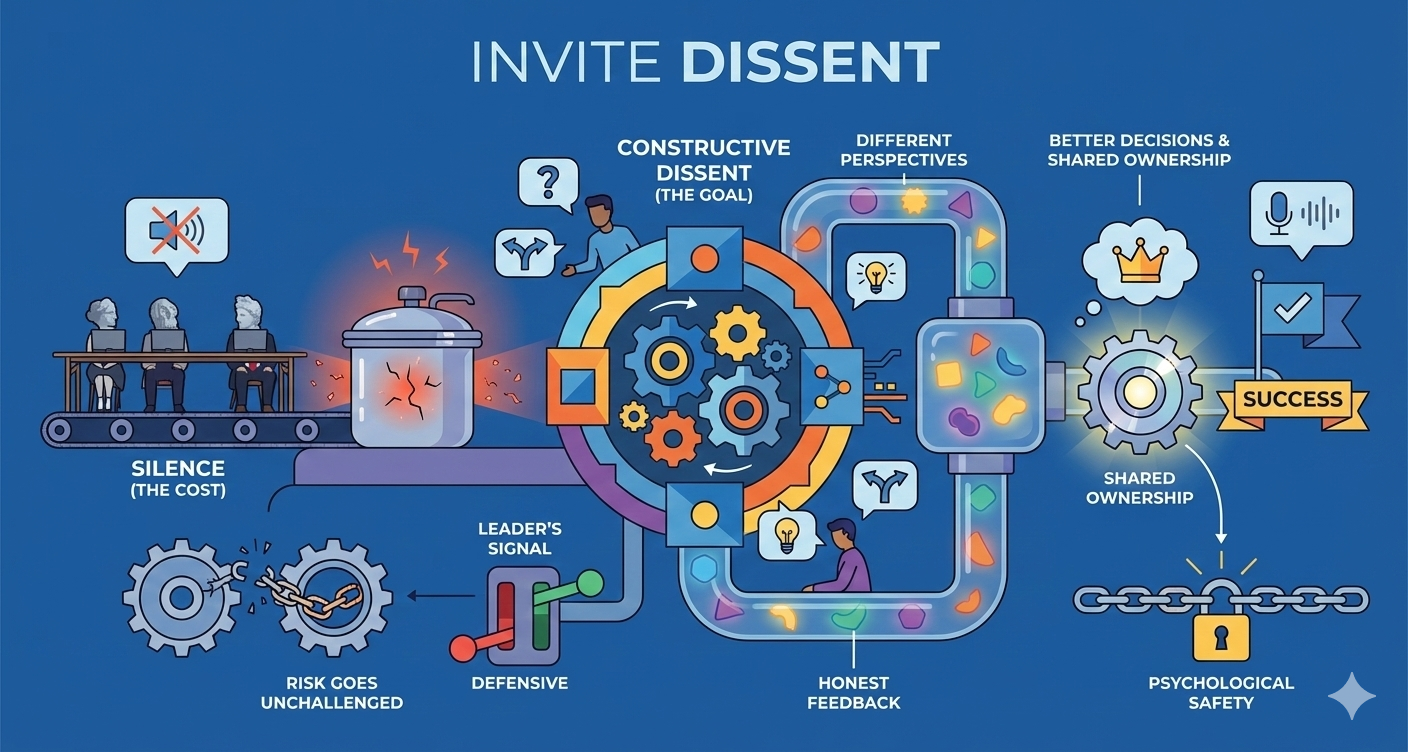

As enterprise architectures evolve, many large organizations are adopting Nx monorepos for their primary websites. In these environments, where multiple teams collaborate on a shared codebase, finding the right balance between consistency and team autonomy becomes crucial. After my many years in software development, I’ve come to recognize how excessive rigidity can stifle innovation and dramatically slow delivery. Instead, I propose a more balanced approach that emphasizes team ownership and reasonable autonomy.
The Assembly Line Paradox
Imagine the most sophisticated assembly line ever designed — perfectly optimized workflows, intricate quality checks at every station, and meticulous documentation of every process. Now imagine that despite this engineering marvel, the products coming off the line are mediocre at best.
This is the paradox many engineering organizations face. We build elaborate development pipelines with extensive code review processes, yet often miss what truly matters: shipping high-quality features that create value. When teams become more focused on enforcing uniform coding styles and subjective implementation details than on actual outcomes, the entire organization likely suffers.
Package Stewardship: A Better Model
A potentially more effective pattern for large Nx monorepos is what I call “package stewardship” — assigning clear ownership of shared libraries, utilities, and components to specific teams who serve as their primary caretakers. This approach could provide several benefits:
- Clear accountability: When a team “owns” a package, they should take genuine pride in its quality and maintenance
- Domain expertise: Teams can develop deep knowledge of their packages, making better architectural decisions
- Reduced review bottlenecks: PR approvals become streamlined when there’s a clear decision-making authority
- Faster delivery: Teams can iterate quickly on their packages without excessive external interference
In modern web architecture, this approach could prove particularly valuable. Each vertical slice of the application would maintain cohesion while teams retain the autonomy to solve problems in ways that make sense for their specific domain.
The Cost of Excessive Code Review
“Should we use userEvent or fireEvent in our tests?" "Our team prefers destructuring this object differently." "Can you convert this to a React.FC with explicit return type instead of using JSX.Element?"
Sound familiar? These comments, while well-intentioned, rarely improve the actual product. Instead, they likely:
- Create unnecessary context-switching for developers
- Extend PR review cycles by days or weeks
- Generate frustration and diminish motivation
- Focus attention on trivia rather than substance
What’s most troubling is how these practices can undermine DORA metrics. When deployment frequency and lead time for changes suffer due to excessive nitpicking, we’re actively harming our delivery capabilities.
Trust and Team Empowerment
The most successful monorepo implementations would likely share one critical characteristic: trust in the expertise of individual teams. When we trust teams to:
- Define appropriate testing practices for their domain
- Establish maintainable patterns within their packages
- Self-organize around their specific technical challenges
- Prioritize work based on their understanding of requirements
…we could unlock levels of productivity and innovation that prescriptive approaches simply cannot match.
Developer Joy Matters
Let’s not forget the human element. Developers who feel trusted and empowered to make meaningful decisions should produce better work. When we create environments where engineers can focus on solving real problems rather than satisfying arbitrary style preferences, we would likely see:
- Higher engagement and retention
- More creative problem-solving
- Genuine ownership of outcomes
- Cross-team knowledge sharing based on respect
Finding Balance
This doesn’t mean abandoning all standards. Core architectural decisions, security practices, and fundamental patterns should remain consistent. The key is distinguishing between essential standards that protect the codebase and subjective preferences that should remain flexible.
A tiered approach to standards can work well:
- Organization-wide standards: Security practices, major architectural patterns
- Team-determined practices: Implementation details, testing approaches, component design
- Individual discretion: Code organization, specific patterns to solve problems
Conclusion
In large enterprise monorepos, the path to excellence isn’t through rigid homogeneity but through thoughtful team autonomy. By assigning clear package stewardship, reducing review overhead on non-critical aspects, and fostering a culture of trust, we can create an environment where teams truly thrive.
Remember: your elaborate development pipeline is meaningless if it doesn’t produce quality outcomes. By focusing more on results and less on process minutiae, we can create better products, happier developers, and more successful organizations.
What practical steps have you taken to balance consistency with team autonomy in your organization? How might we collectively improve our approach to shared codebases?